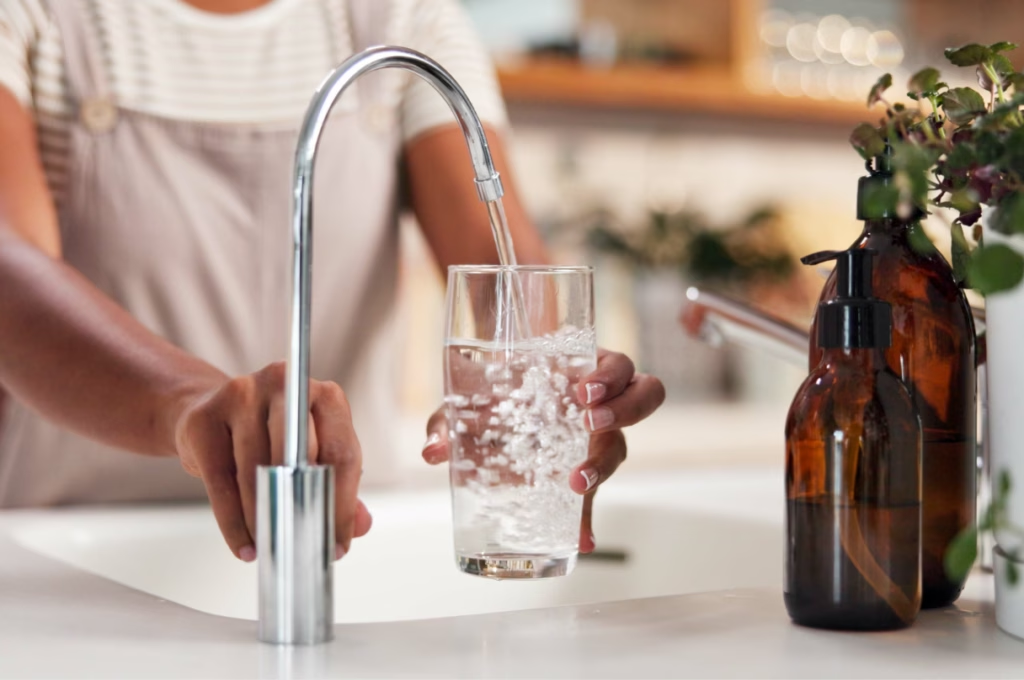
If you own a home in Southeast Wisconsin, you’ve probably wondered whether your drinking water is as clean as it should be. Even when water is considered “safe,” many homeowners in Waukesha and nearby communities notice chlorine taste, concerns about PFAS, aging plumbing, or just want better water for their family.
This guide is written for homeowners who plan to stay in their home and want a long-term drinking water solution—not a temporary or DIY fix.
Who This Guide Is For (and Who It’s Not)
This guide is for you if:
- You own a home in Southeast Wisconsin
- You live in or near Waukesha, Brookfield, Pewaukee, New Berlin, or Delafield
- You plan to stay in your home 5+ years
- You care about health, taste, and long-term water quality
This guide is NOT for:
- Renters
- Countertop or pitcher filter shoppers
- DIY installs
- “Cheapest option” searches
Drinking Water Issues We Commonly See in Southeast Wisconsin Homes
Across Southeast Wisconsin, we regularly see:
- Chlorine taste and odor from municipal water
- Aging plumbing that can introduce metals
- PFAS awareness and concerns across Wisconsin
- Dissolved solids that affect water quality
- Hard water that impacts appliances and fixtures
While local water meets safety standards, many homeowners want cleaner, better-tasting water for drinking and cooking.
Why Generic Water Filters Often Disappoint Homeowners
Online searches make water filtration sound simple, but no two homes have the same water. Differences in water source, plumbing age, and household use mean that a one-size-fits-all filter often underperforms.
That’s why many homeowners try multiple filters before realizing that professional testing and system matching makes the difference.
Carbon Filters vs Reverse Osmosis: What Actually Works Best
This isn’t a technical comparison—it’s practical advice based on what works in real homes.
When a Carbon Filter Makes Sense
Carbon filtration may be a good option if:
- Your main concern is chlorine taste or smell
- You are on city water
- You want basic improvement without full purification
Carbon filters are commonly used as pre-filters or as part of whole-home filtration systems.
When Reverse Osmosis Is the Better Choice
Reverse osmosis (RO) is usually the better choice if:
- You want the cleanest possible drinking water
- You are concerned about PFAS, nitrates, or metals
- You want to stop buying bottled water
- You care about drinking, cooking, coffee, and ice quality
For most Southeast Wisconsin homeowners, RO provides the highest level of drinking water protection.
The Most Common Drinking Water Setup We Install in SE Wisconsin Homes
In many homes, the best long-term setup is:
- Reverse osmosis at the kitchen sink for drinking and cooking
- Whole-home filtration or softening to protect plumbing and appliances
This approach gives you great drinking water without over-treating the entire home.
Not sure which system is right for your home?
We offer In-Home Water Diagnostics throughout Southeast Wisconsin to help homeowners understand their water and choose the right long-term solution.
Schedule an In-Home Water Diagnostic
What to Look for in a Drinking Water Filter System
When choosing a system for your home, look for:
- Third-party performance certifications (WQA / NSF)
- Clear contaminant reduction claims
- Professional installation
- Filter changes based on actual water use
These features help ensure long-term reliability and consistent water quality.
Frequently Asked Questions
Is reverse osmosis safe for everyday drinking?
Yes. RO water is safe for daily drinking and cooking.
Is reverse osmosis worth it on city water?
Many homeowners choose RO even on city water to reduce PFAS, metals, and dissolved solids.
Can an RO system supply my refrigerator and ice maker?
Yes. Most systems can be connected to refrigerators and ice makers.
How often do filters need to be replaced?
Replacement schedules depend on water quality and usage. Metered systems adjust automatically.
Get Help Choosing the Best Drinking Water Filter for Your Home
Choosing the right drinking water filter doesn’t have to be confusing. A free in-home water test helps you choose a system that fits your home, water, and long-term plans.